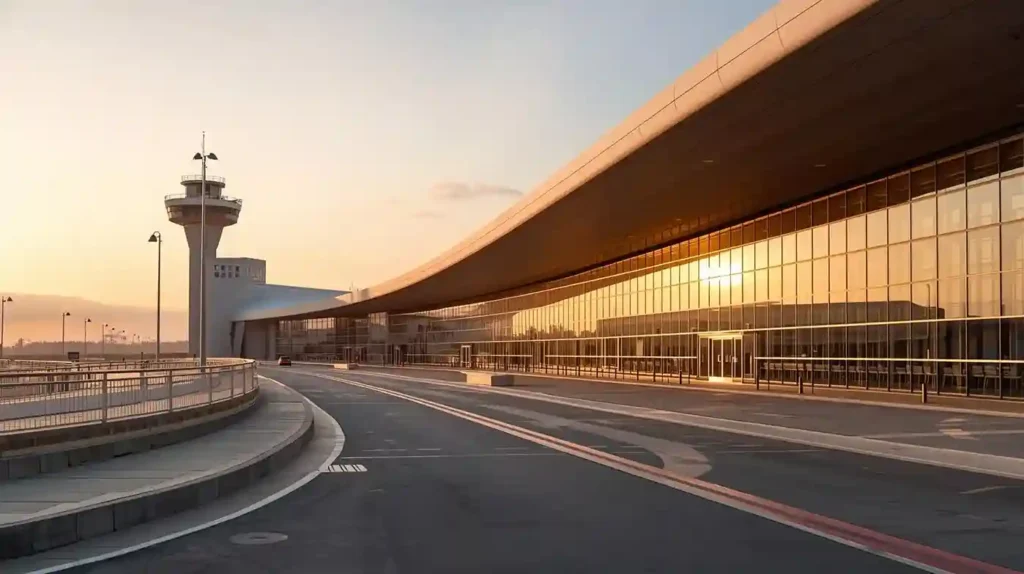
Washington Dulles travel planning often surprises travelers who assume all DC airports function similarly. While the region offers multiple options, Dulles stands apart due to its size, location, and operational structure. Many first-time visitors underestimate how much coordination is required before arriving or departing. Compared to centrally located airports, reaching Dulles involves additional time considerations and routing awareness. These factors affect business travelers, international passengers, and VIP guests alike. Understanding these realities early helps travelers avoid unnecessary stress and delays.
When discussing IAD vs other DC airports, the differences become immediately clear. Dulles is positioned farther from downtown Washington than Reagan National or Baltimore Washington International. This distance introduces airport distance challenges that impact departure timing and arrival coordination. Traffic patterns around Northern Virginia further complicate access during peak hours. Unlike smaller terminals, Dulles requires more internal navigation time once passengers arrive. Washington Dulles car travel planning therefore demands a more structured approach than most travelers expect.
Understanding the Unique Layout and Size of Dulles Airport
Dulles Airport is designed to handle high volumes of international and long-haul traffic efficiently, but its scale can overwhelm unprepared travelers. The terminal layout, midfield concourses, and transport shuttles require additional movement inside the airport. These elements create distinct Dulles airport logistics that differ from compact airport designs. Passengers often need extra time for security, transfers, and boarding procedures. Without prior planning, even experienced travelers may feel rushed. Washington Dulles travel planning benefits greatly from understanding how the airport functions internally.
DC airport comparisons frequently highlight Dulles as the most complex from an access standpoint. Its surrounding infrastructure is built for capacity rather than convenience. Roadways feeding into the airport experience congestion during predictable windows. Weather conditions can also amplify travel times due to open highway exposure. These realities make airport access planning a critical step for anyone with tight schedules. Travelers who account for these factors tend to arrive calmer and more prepared.
Timing Matters: Managing Long-Term Flight Schedules and Peak Hours
Flight schedules at Dulles often involve early departures or late-night international arrivals. These patterns affect transportation availability and overall coordination. Peak travel seasons introduce heavier passenger loads and longer processing times. Washington Dulles travel planning should always factor in seasonal demand and airline scheduling trends. Travelers who ignore timing variables often face unnecessary waiting or rushed connections. A thoughtful approach minimizes disruptions and preserves comfort.
Impact of International and Domestic Flight Traffic
Dulles serves as a major international gateway, which directly influences traffic flow and terminal congestion. International arrivals typically require longer clearance processes. Domestic flights are often scheduled around these peak international windows. This mix increases ground transportation complexity throughout the day. Travelers must align their ground arrival with these operational rhythms. Proper Washington Dulles travel planning helps avoid overlapping congestion periods.
How Early Arrivals Affect Luxury Car Service Planning
Early morning departures demand precise coordination between travelers and transportation providers. Roads may be quieter, but terminal operations begin well before sunrise. Reliable scheduling ensures passengers arrive with adequate buffer time. Professional services anticipate these timing requirements and adjust accordingly. During this phase of planning, many travelers rely on experienced providers like Limos 4 Less for predictable scheduling and calm arrivals. This support becomes especially valuable for executives and frequent flyers.
The Role of Advanced Airport Transportation Planning for VIP Travelers
VIP travelers often have less flexibility and higher expectations when flying through Dulles. Tight itineraries require dependable timing and seamless transitions. Advanced planning addresses security wait times, terminal navigation, and curbside coordination. IAD travel considerations become more critical when privacy and punctuality matter. A proactive transportation strategy reduces uncertainty and supports a composed travel experience. Washington Dulles travel planning at this level is about control and confidence.
Professional coordination also allows travelers to focus on their priorities rather than logistics. Drivers familiar with airport patterns can adapt to changing conditions. This knowledge proves invaluable during unexpected delays or schedule changes. VIP travelers benefit from solutions that anticipate challenges rather than react to them. Strategic planning transforms a complex airport into a manageable environment.
Maximizing Comfort and Efficiency with Executive Car Services
Executive car services offer more than transportation; they provide structure and reliability. At Dulles, this structure becomes essential due to scale and distance. Travelers experience smoother transitions when vehicles arrive on schedule and routes are optimized. Comfort inside the vehicle allows passengers to prepare or decompress. Washington Dulles travel planning paired with executive service creates a balanced, efficient journey. The result is reduced fatigue and improved overall travel quality.
Benefits of Sedans and Luxury Vehicles for Airport Transfers
Sedans and luxury vehicles are well suited for long drives to and from Dulles. They provide quiet, private environments ideal for business or relaxation. Ample space supports luggage without compromising comfort. Professional drivers understand terminal access points and timing windows. This combination enhances both efficiency and peace of mind. Travelers appreciate the consistency these vehicles offer during complex airport transfers.
Seamless Drop-Off and Pick-Up Experiences
Drop-off and pick-up at Dulles require precise coordination due to traffic flow regulations. Misjudging timing can result in unnecessary circling or delays. Experienced services manage these transitions smoothly. Clear communication between driver and passenger ensures accurate positioning. This attention to detail supports stress-free movement through busy terminals. Washington Dulles travel planning thrives on such precision.
Common Challenges at Dulles and How Professional Services Solve Them
Common challenges include unpredictable traffic, extended terminal distances, and fluctuating security wait times. These issues can disrupt even well-planned itineraries. Professional services mitigate risk through experience and adaptability. Drivers monitor conditions in real time and adjust routes accordingly. Ground transportation complexity becomes manageable with informed decision-making. Travelers gain reassurance knowing potential obstacles are addressed proactively.
Tips for Ensuring a Stress-Free Airport Transfer Experience
Stress-free travel begins with realistic expectations and early preparation. Travelers should allow extra time when flying through Dulles. Coordinating transportation in advance reduces uncertainty. Clear communication about flight details helps align schedules. Professional assistance transforms planning into a supportive process rather than a burden. For those seeking calm and reliability, Washington Dulles travel planning paired with Limos 4 Less offers a smooth, reassuring airport transfer experience without unnecessary pressure.
FAQs
1. Why does Washington Dulles require more travel planning than other DC airports?
Dulles is farther from downtown and has a larger, more complex layout, making timing and access more challenging.
2. How early should I arrive at Dulles for international flights?
Arriving at least three hours early is recommended due to security and international processing requirements.
3. What transportation challenges are common at Dulles Airport?
Traffic congestion, long terminal distances, and peak-hour delays are common challenges for travelers.
4. Are luxury car services beneficial for Dulles airport transfers?
Yes, they provide reliable timing, comfort, and experienced navigation of airport logistics.
5. How can VIP travelers reduce stress when flying through Dulles?
Advanced planning and professional transportation services help ensure smooth, predictable travel.